Beschrijving
Lawn Mower Series | Model EP-9GB
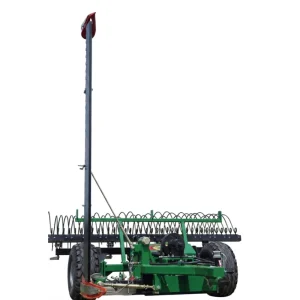
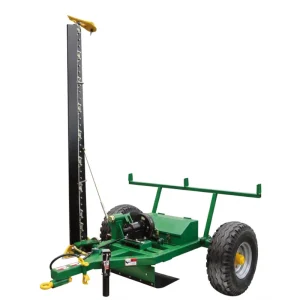
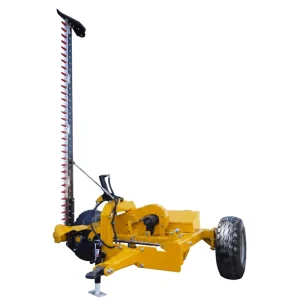
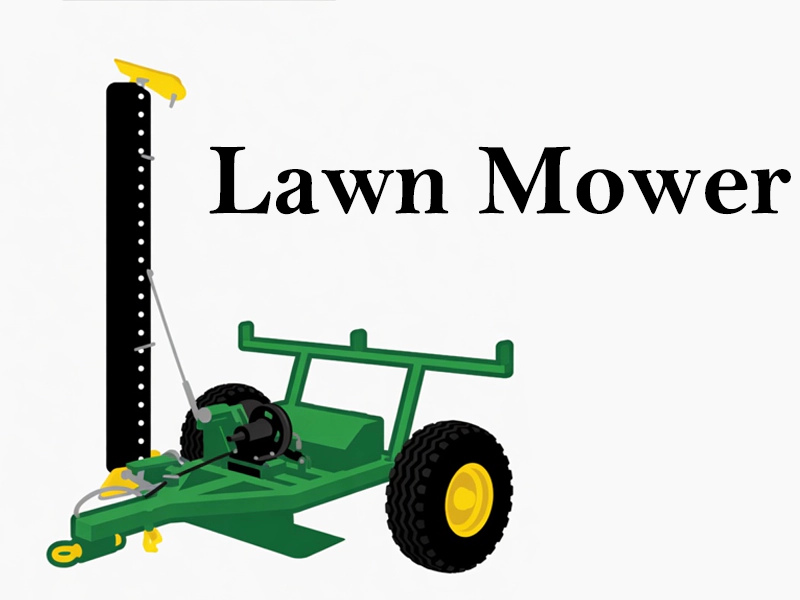
EP-9GB heen-en-weer bewegende grasmaaier
A reliable, tractor-mounted reciprocating mowing solution for farms, pastures, and sloped terrain — built for consistent performance across Colombia’s diverse agricultural landscapes and demanding field conditions.
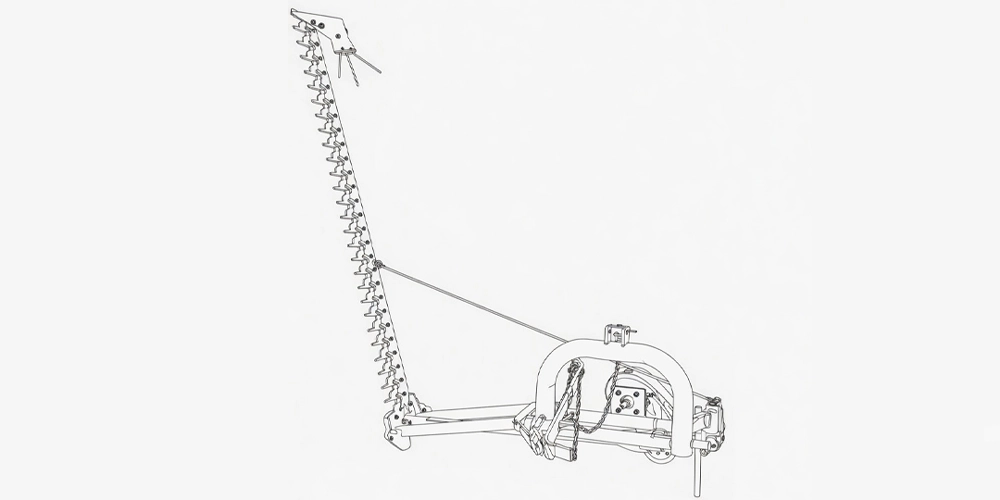
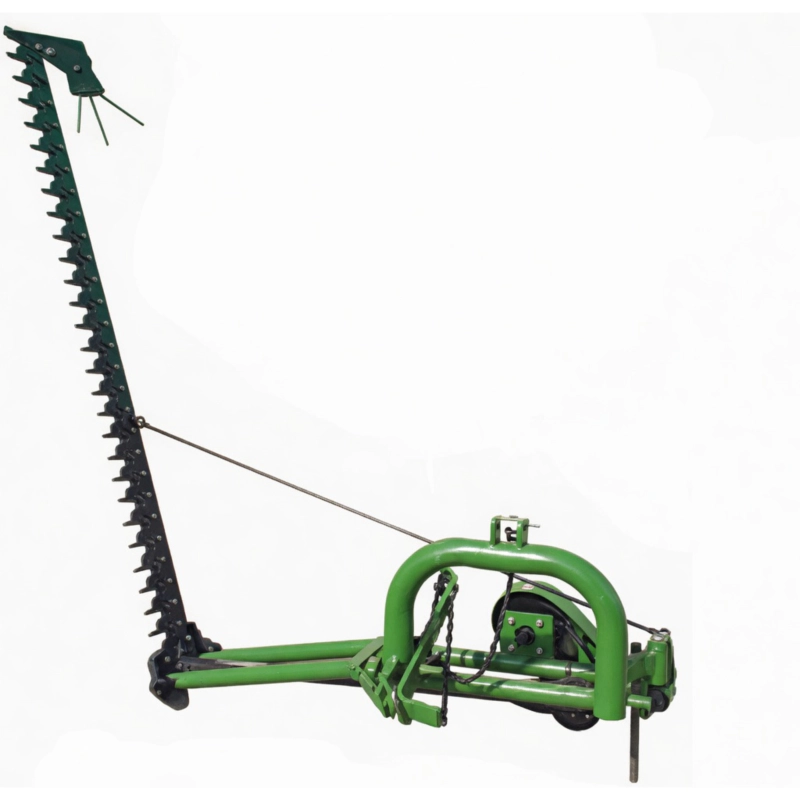
The EP-9GB Reciprocating Lawn Mower is a three-point hitch mowing machine designed for use with wheeled tractors across a broad range of farming and pastoral environments.
The fundamental design principle of the EP-9GB centres on simplicity and low-failure operation. A single tractor driver can complete all mowing tasks, including obstacle avoidance, without leaving the cab — when the tractor encounters a barrier or raised obstruction in the field, the entire reciprocating lawn mower can be hydraulically lifted by the tractor’s own hydraulic system, clearing the obstacle cleanly and returning to working height on the other side. This makes it particularly practical for terrain with tree stumps, irrigation infrastructure, or uneven ground features that would jam or damage other mowing designs.
This reciprocating mower covers cutting heights between 60 and 80 mm — a range well-suited to maintaining nutritive forage quality on managed pasture while avoiding scalping of uneven soil surfaces. The clean shearing action of the reciprocating blade reduces stem bruising compared to impact-cutting alternatives, which matters directly to farmers harvesting forage for hay or silage where dry-down rate and nutritional value both depend on the quality of the initial cut.
1. Technical Specifications
| Parameter | 9GB-1.2 | 9GB-1.4 | 9GB-1.6 | 9GB-1.8 | 9GB-2.1 (Double Link) |
|---|---|---|---|---|---|
| Cutting Width (mm) | 1,200 | 1,400 | 1,600 | 1,800 | 2,100 |
| Cutting Height (mm) | 60 – 80 | ||||
| Machine Weight (kg) | 120 | 125 | 130 | 135 / 170 | 145 / 180 |
| Linkage Type | Standard Three-Point Mounted | ||||
| Matched Power (hp) | 18 – 25 | 12 – 20 | 18 – 25 | 12 – 20 / 40 | 25 / 50 |
| Application Terrain | Hills, Slopes, Small Fields, Pastures, Forests | ||||
| Operation Mode | Single Operator (Tractor Driver) | ||||
| Obstacle Override | Full Hydraulic Lift via Tractor System | ||||
2. Five Key Advantages
Wide Model Range for Any Field Size
Five cutting widths from 1,200 mm to 2,100 mm let buyers select exactly the right size reciprocating lawn mower for their operation — from small hillside plots to wider pasture blocks. The double-link configuration on the 9GB-2.1 model suits operations requiring maximum coverage with moderate tractor power.
Full Hydraulic Obstacle Override
When the tractor encounters a raised obstruction — a rock, stump, or drainage channel — the entire machine can be lifted using the tractor’s existing hydraulic system without stopping work. This capability makes the EP-9GB practical for Colombia’s rougher pasture terrain where obstructions are a regular part of field conditions.
Reciprocating Blade for Clean, Precise Cuts
The shearing action of the reciprocating blade system produces a clean stem cut that minimises plant tissue damage. This matters on pastures where rapid regrowth after mowing is needed, and on forage crops where cut quality directly affects hay drying time and silage fermentation efficiency — both critical considerations for Colombia’s livestock sector.
Low Power Requirement — Wide Tractor Compatibility
With entry-level models starting at just 12 horsepower, the EP-9GB fits farms running small and compact tractors. The matched power range across all five models spans 12 to 50 horsepower, covering the vast majority of tractors in active use across Colombia’s smallholder and medium commercial farming operations.
Single-Operator Efficiency
Designed for one-person operation from the tractor cab, the EP-9GB reciprocating lawn mower eliminates the need for additional ground crew during cutting operations. This reduces labour costs per hectare and allows farm operators in Colombia’s labour-constrained seasons to complete mowing schedules efficiently without coordinating large teams.
3. Reciprocating Mower Working Principle
Understanding the reciprocating lawn mower working principle helps operators get the most from the machine and maintain it effectively. Power enters the system from the tractor’s rear power take-off shaft, which transmits rotation into the mower’s gearbox. The gearbox converts the continuous rotational input into a rapid back-and-forth lateral motion of the cutter bar — this is the defining characteristic of reciprocating mower working, and it distinguishes this category from rotary disc or drum mowers that rely on centrifugal impact cutting.
The cutter bar of the EP-9GB carries a row of knife sections mounted on a sliding knife-back, which oscillates rapidly within a row of stationary finger guards. As the knife sweeps left and right, each adjacent pair of guards and knife sections forms a scissors-like shear point, cleanly severing grass and forage stems without the tearing or flinging action associated with rotary systems. This is why farmers and agronomists often find that reciprocating lawn mower application on cultivated forage results in better cut quality than rotary alternatives — stems are severed rather than impacted, leaving cleaner residue that dries more evenly when windrowed for hay production.
The tractor connects to the EP-9GB via a standard three-point hitch, meaning attachment and detachment in the field is fast and does not require special tools. Hydraulic lines from the tractor connect to the mower’s lifting cylinder, giving the operator cab-based control over working height and obstacle clearance. During transport or when crossing barriers, the full machine lifts clear of the ground in seconds. Working depth — specifically the cutting height between 60 and 80 mm — is set by adjustable skid shoes that follow the terrain surface, maintaining consistent cut height even as the field undulates. On the 9GB-2.1 double-link model, a dual-frame configuration distributes cutting forces more evenly, making this variant well-suited to slightly higher power tractors when wider coverage is the priority. The entire mechanical system has very few wear-prone components, keeping the reciprocating lawn mower replacement parts requirement low compared to more complex mowing systems.
4. Materials & Construction
The structural integrity of the EP-9GB reciprocating lawn mower starts with its welded steel main frame. High-quality structural mild steel is used throughout the frame assembly, with key joint areas reinforced for resistance to the cyclic vibration loads generated during continuous reciprocating mower working in rough field conditions. Frame members are dimensioned to balance rigidity — preventing flex-induced misalignment of the cutter bar — with a weight budget that keeps the overall machine within practical three-point hitch loading limits for small and mid-range tractors.
The knife sections themselves are manufactured from medium-carbon tool steel with heat treatment applied to the cutting edges, achieving a balance between hardness for sharpness retention and enough toughness to survive contact with the occasional stone or embedded debris in the grass sward. Knife sections are individually bolted to the knife-back, meaning a damaged section can be removed and replaced in the field using standard hand tools without any specialist equipment — an important practical advantage for farms in Colombia’s more remote agricultural districts where equipment workshops may be several hours’ travel away. When considering reciprocating lawn mower replacement parts, the knife sections and guard fingers are the primary service items; both are manufactured to widely compatible standard dimensions.
The cutter bar guard fingers are formed from heat-treated steel, configured as bolt-on individual units that can be replaced independently if bent or broken. The gearbox housing is cast from ductile iron, providing strength sufficient for the torque loads transmitted from the tractor PTO shaft while keeping the overall weight contribution manageable. Gearbox internals — including the bevel gears and bearings — are lubricated with gear oil and sealed against field dust ingress by lip-type shaft seals. The exterior metal surfaces of the complete machine receive a multi-stage surface preparation and paint finish that protects against the combination of soil acids, fertiliser residues, and seasonal moisture exposure typical of Colombia’s farming regions.
5. Reciprocating Lawn Mower Application Scenarios
Cattle and Dairy Pasture Management — Andean Highlands
Across Colombia’s Andean departments — Boyacá, Cundinamarca, Antioquia, and Nariño — dairy and beef cattle farms depend on regular pasture cutting to maintain forage quality and control weed encroachment. The EP-9GB reciprocating lawn mower handles the typical Kikuyu and Ryegrass pasture varieties found in these zones effectively, with its 60–80 mm cutting height protecting grass root systems and supporting rapid regrowth between grazing rotations.
Hillside and Sloped Field Mowing
The primary reciprocating lawn mower application for which this series was originally developed is sloped and hilly terrain — conditions that rule out heavier, wider self-propelled equipment. Colombia’s coffee-growing regions in Huila, Cauca, and the Eje Cafetero feature exactly this type of terrain. The lightweight 9GB-1.2 and 9GB-1.4 models, matched to 12–25 hp tractors, can operate on gradients that would be unsafe or impractical for heavier mowing equipment.
Forest and Woodland Understorey Management
Farms managing silvopastoral systems — combining tree cover with pasture grass beneath — require a mowing machine compact enough to work between trees without damaging trunks or surface root systems. The EP-9GB’s narrow profile and hydraulic lift capability allow operators to navigate between established timber or fruit trees while maintaining the grass layer, a common land use pattern in Colombia’s mid-altitude agricultural zones.
Hay Production on Small to Medium Holdings
Can you use a lawn mower on long grass? With the EP-9GB reciprocating lawn mower, the answer for most forage grass applications is yes — the clean shearing blade handles grass at typical pre-cut heights without bunching or clogging, provided ground speed is matched to crop density. This makes it a practical hay production tool for smallholder farms in Colombia’s highland regions that produce supplementary fodder for the dry season.
Roadside and Verge Vegetation Control
Rural road authorities, municipal infrastructure departments, and estate managers across Colombia use compact mowers to control vegetation on road verges, irrigation canal banks, and embankments. The EP-9GB’s three-point hitch configuration and hydraulic lift adapt well to these applications, where the operator needs to follow irregular profiles and lift the cutter head quickly when culverts or access paths interrupt the work line.
6. Regulatory & Legal Compliance Framework
Agricultural machinery imported and operated in Colombia is subject to a structured regulatory environment. The following summary covers the key compliance requirements applicable to the EP-9GB reciprocating lawn mower, both within Colombia and in other markets where this product category is commercially active.
Colombia — ICA (Instituto Colombiano Agropecuario): Under the regulatory framework governing agricultural machinery imports, equipment entering Colombia for commercial farming use must be accompanied by technical documentation demonstrating fitness for purpose and absence of unacceptable risk to human health, animal welfare, and environmental integrity. The EP-9GB’s product documentation package — including technical data sheets, operational manuals, and safety guarding specifications — supports ICA import review requirements. Importers are advised to coordinate with a registered Colombian customs agent to confirm current documentation requirements, as these are subject to periodic revision.
Colombia — DIAN (Dirección de Impuestos y Aduanas Nacionales): Reciprocating lawn mowers imported into Colombia for agricultural use typically fall under tariff heading 8433.20 in the Harmonised System. Buyers should verify with their customs broker whether current free trade agreements — including those between Colombia and the United States, European Union, and Andean Community partners — affect the applicable import duty rate. Agricultural machinery designated for production use may be eligible for preferential duty treatment or VAT exemption under specific Colombian fiscal regulations.
Andean Community (CAN) — Decisión 706 and Regional Machinery Safety: Colombia’s membership of the Comunidad Andina aligns national agricultural machinery standards with regional safety frameworks under Decisión 706, which incorporates minimum requirements consistent with ISO 4254 series (agricultural machinery safety). Suppliers providing CE-certified equipment or documentation referencing equivalent ISO safety conformance simplify the clearance process within all CAN member states. Importers should request complete safety guarding documentation — particularly for PTO shaft covers and exposed cutter bar sections — as CAN inspectors focus on these items during entry inspection.
European Union — Machinery Directive 2006/42/EC: For buyers in Colombia who source equipment intended for re-export to European markets, a CE Declaration of Conformity is required, attesting to conformance with the Machinery Directive’s Essential Health and Safety Requirements. Relevant harmonised standards include EN ISO 4254-7 (agricultural machinery safety — mowers) covering PTO shaft guarding, emergency stop requirements, and stability specifications. Noise and vibration assessments are also required under the Directive for equipment sold in EU territories.
United States — ASABE Standards: The American Society of Agricultural and Biological Engineers publishes safety and performance standards widely referenced for imported agricultural equipment entering North America. ASABE S318 covers general agricultural field equipment safety, while ASABE S487 addresses PTO shaft guard requirements. Equipment conforming to these benchmarks meets the expectations of US importers and is consistent with OSHA agricultural machinery safety requirements for employer-operated equipment in commercial farming settings.
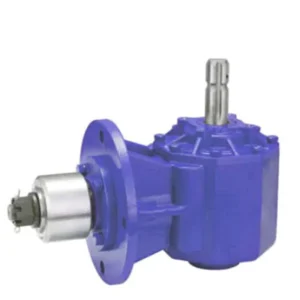
Gearbox and Drivetrain Regulatory Considerations: The gearbox transmitting tractor PTO power to the reciprocating cutter bar is a safety-critical component subject to specific standards in multiple jurisdictions. In Colombia, ICONTEC (Instituto Colombiano de Normas Técnicas y Certificación) publishes national technical standards aligned with ISO gear transmission safety and noise requirements. When sourcing an agricultural gearbox replacement or upgrade for the EP-9GB drivetrain, buyers should ensure the replacement unit is rated to the original torque specification and uses compatible shaft dimensions — using non-certified gearbox components may affect both safety compliance and insurance coverage for farm machinery operators in Colombia. In the EU, gearboxes in agricultural machinery must comply with applicable EN standards and carry appropriate CE documentation as part of the overall machine declaration.
7. Related Products — Complete System Supply
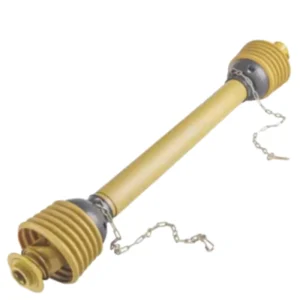
Our production range extends beyond mowing heads to cover the full mechanical supply chain needed for a complete tractor-mounted harvesting system. All components share standardised coupling interfaces, enabling one-stop procurement for distributors and farming operations that value streamlined logistics and reduced vendor management overhead. Our universal coupling standard and integrated service capability make us a preferred supplier for agricultural dealers operating across Colombia and the wider Andean region.
8. About Us
Our manufacturing facility has been producing agricultural machinery since 1958, accumulating over six decades of hands-on production experience across tillage equipment, harvesting machinery, and mowing implements. Today the facility operates across 40,000 m² of production space, employing a complete assembly line supported by heat treatment, punching, and painting production lines, along with more than 300 sets of machining equipment. Annual production capacity for disc and mowing implements reaches well into the thousands of units, supported by in-house quality control systems.
The operation holds CE certification and ISO 9001 quality management certification, providing international buyers with a recognised quality assurance framework. Products have been evaluated by the National Product Quality Supervision and Inspection Station and have passed inspection by the State Administration for Entry-Exit Inspection and Quarantine, confirming conformance with export commodity inspection requirements. Our agricultural machinery — including the 9GB series reciprocating lawn mower — has been exported to over 63 countries and regions worldwide, with an average annual self-supporting export value reaching into the millions of US dollars annually. This track record of international trade means our documentation, packaging, and export logistics processes are refined for buyers in markets like Colombia who require complete, audit-ready paperwork for customs clearance. Our commitment to quality, reliability, and global service support is reflected in the continuing long-term relationships we maintain with agricultural importers and distributors across Latin America, North America, Europe, and Asia.
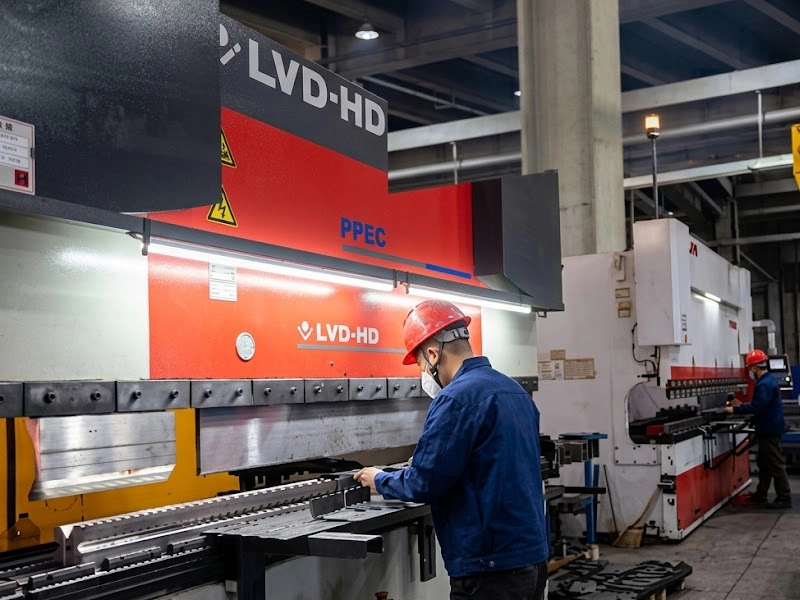
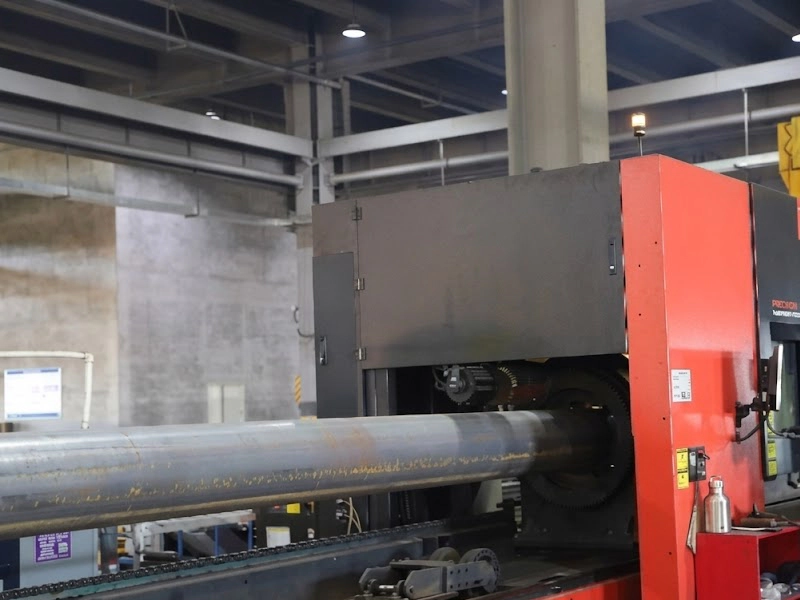
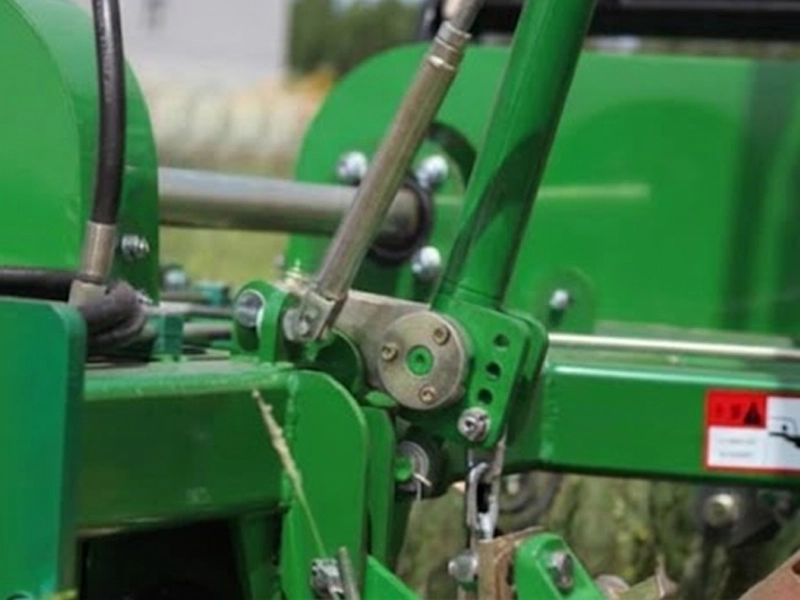
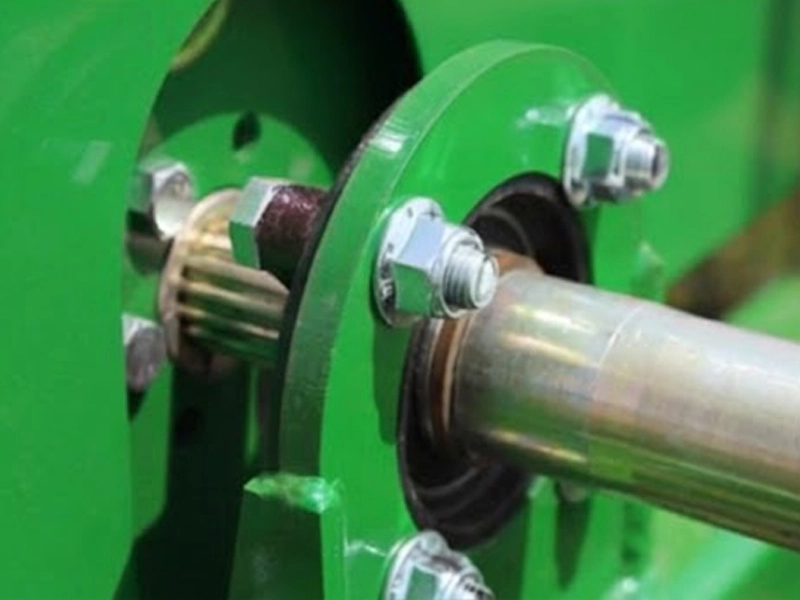
WorkShop
Frequently Asked Questions
Q1. What is a reciprocating lawn mower and how does it differ from a rotary mower for Colombian pasture farms?
Q2. Which model of the 9GB series reciprocating lawn mower is best suited for a smallholder farm in Colombia’s Andean highlands with a 20 hp tractor?
Q3. How does the reciprocating mower working principle make it more suitable for long grass and thick forage compared to rotary designs?
Q4. How does the three-point hitch reciprocating mower attachment work with my existing tractor on a Colombian coffee farm?
Q5. What is the difference between what does mulching mean on a lawn mower versus what this reciprocating mower does with cut material?
Editor: PXY